
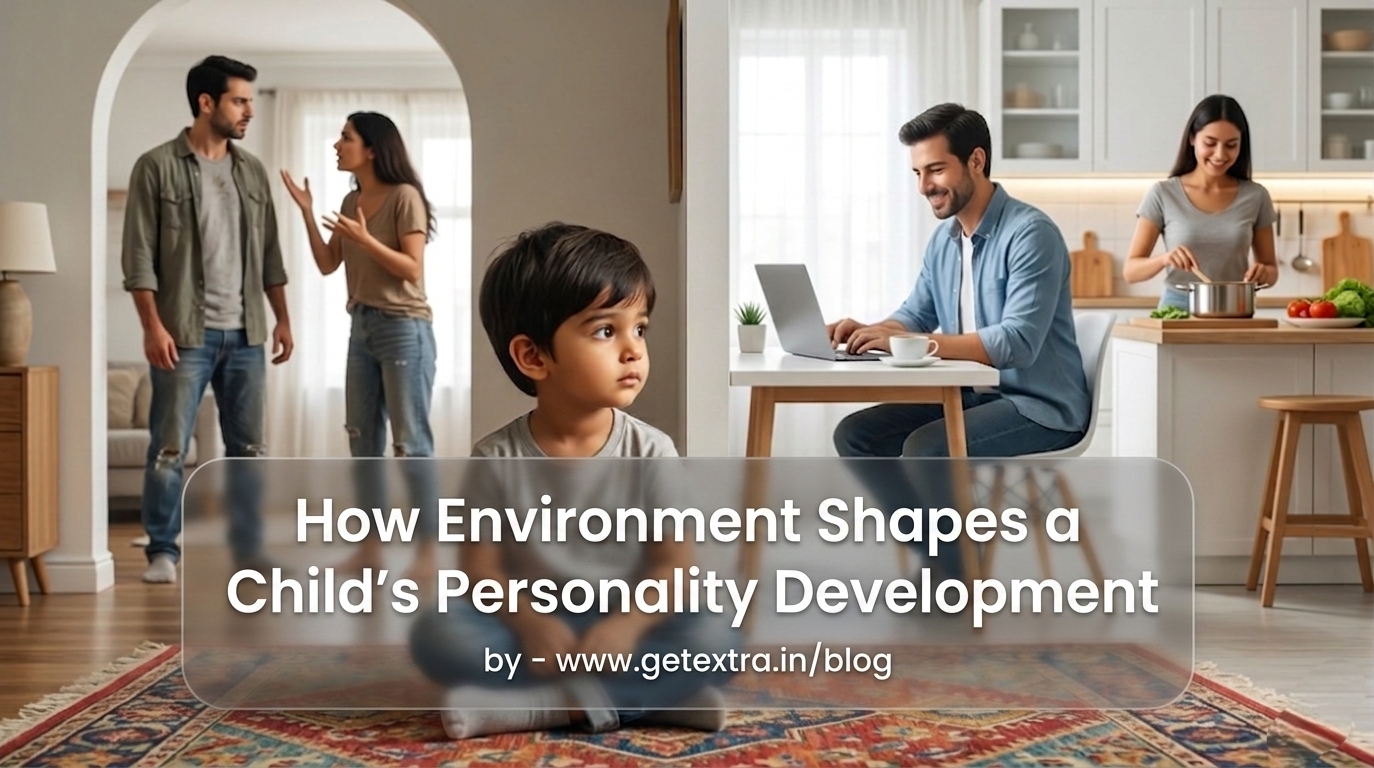
Children are like soft clay during their early years. The environment around them slowly shapes their thinking, behavior, emotions, confidence, and personality. Long before children understand success, careers, or competition, they begin absorbing habits, language, reactions, and emotional patterns from the world surrounding them.
Personality development does not happen suddenly when children become adults. It begins quietly during childhood through everyday experiences at home, school, friendships, and even digital content. The atmosphere children grow up in often becomes the invisible foundation of their future mindset.
One of the strongest influences on a child’s personality is the home environment. Children closely observe how parents speak, react to stress, communicate with others, and solve problems. Even simple daily habits such as respecting elders, reading books, maintaining discipline, or speaking politely can leave long-lasting impressions on young minds.
Positive environments usually help children become more confident, emotionally secure, and expressive. On the other hand, constant negativity, excessive criticism, anger, or emotional neglect may affect self-confidence and communication abilities over time. Children may forget specific conversations, but they often remember how an environment made them feel.
Digital surroundings also play a major role in modern childhood. Today many children spend large amounts of time consuming fast-moving videos, social media content, cartoons, and gaming entertainment. While technology itself is not harmful, the type of content children consume regularly can deeply influence their attention span, patience, emotional behavior, and thinking style.
This is why meaningful storytelling and educational entertainment are becoming increasingly important. Stories filled with courage, kindness, discipline, leadership, and imagination help shape personality naturally. For generations, Indian families used stories to teach values and emotional intelligence without formal lectures.
Audio stories can be especially powerful because they improve imagination and listening skills while reducing excessive screen exposure. When children listen to stories, their brains actively create scenes, characters, and emotions internally. This strengthens creativity, concentration, and emotional understanding more deeply than passive scrolling.
A healthy environment also encourages curiosity. Children should feel comfortable asking questions, making mistakes, exploring hobbies, and expressing thoughts without fear. Curiosity is one of the strongest foundations of intelligence and innovation. Many successful personalities developed confidence because their childhood environment supported learning and exploration rather than only academic pressure.
Friend circles and school culture also influence personality development significantly. Children naturally adopt communication styles, habits, language, and behaviors from the people they spend time with daily. Positive friendships often improve confidence and social skills, while negative surroundings can create insecurity or unhealthy habits.
Another important factor is emotional attention. Modern life has become extremely busy, and many children now receive more screen time than conversation time. Sometimes children do not need expensive gadgets or constant entertainment. They simply need listening, encouragement, and emotional connection from family members.
Parents today are facing a difficult challenge of balancing technology with healthy development. Completely removing technology may not be realistic, but guiding children toward meaningful content, positive habits, reading culture, and emotional conversations can create a healthier environment for growth.
Platforms like GetExtra are helping bring motivational, historical, and value-based storytelling into modern digital life through audio experiences designed to inspire imagination and positive thinking.
In the end, children grow into the environment they experience repeatedly. A positive atmosphere filled with encouragement, stories, discipline, curiosity, and emotional warmth can shape not just successful students, but emotionally strong and thoughtful human beings.
FAQs
Why is environment important in personality development?
Environment influences children’s confidence, behavior, communication skills, habits, and emotional growth from an early age.
Can stories help in personality development?
Yes. Stories improve imagination, emotional intelligence, values, confidence, and creative thinking naturally.
How does digital content affect children?
Excessive negative or fast-paced content can affect attention span, patience, and emotional balance, while meaningful content can support learning and growth.
What type of environment is best for children?
A positive environment with emotional support, discipline, curiosity, encouragement, and healthy digital habits is best for personality development.

Was this article helpful?
Help us improve by rating this article.